Sports Mouthguards

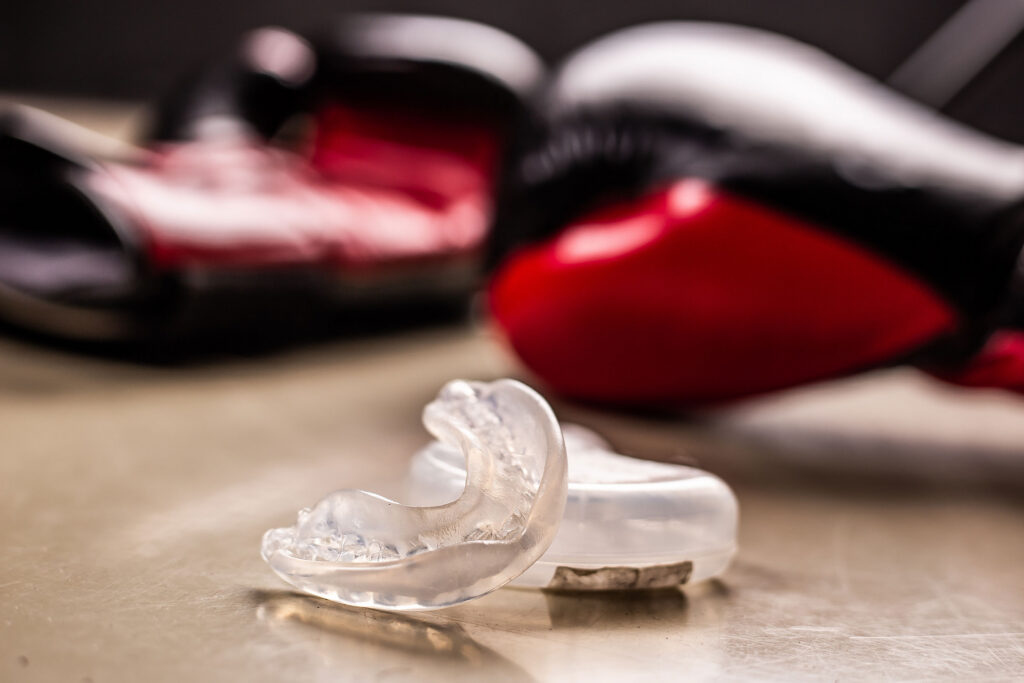
A store-bought mouthguard is bulky, loosens as it warms, and often ends up not being worn. A custom guard is made to your teeth, so it stays put and does not interfere with breathing or speaking.

We start with a digital scan on the Medit i900C intraoral scanner, so there is no impression tray.

An athletic guard is not the same appliance as a night guard. Night guards manage grinding and clenching during sleep and are covered under TMJ Treatment.

What this includes:

Frequently Asked Questions

Why not just use a store-bought mouthguard?

A boil-and-bite guard is better than nothing, but it is bulky, it loosens as it warms, and most people end up not wearing it. A custom guard is made to your teeth, so it stays put, it is thinner where it can be, and it does not interfere with breathing or speaking. The guard that gets worn is the one that protects you.

We start with a digital scan on the Medit i900C intraoral scanner, so there is no impression tray and no material to gag on. The guard is then fabricated to that scan. Because the scan is stored digitally, a replacement can be made later without scanning you again.

Any sport with contact or a projectile: football, hockey, lacrosse, basketball, soccer, wrestling, martial arts, boxing, rugby, skateboarding, and mountain biking among others. Basketball and soccer account for more dental injuries than people expect, because guards are less commonly worn in them.

No. A night guard manages grinding and clenching forces during sleep and is covered under TMJ Treatment. An athletic guard is built to absorb impact. They are different thicknesses, different materials, and different designs, and if you need both they are made separately.

The evidence for concussion prevention is not established, and we are not going to claim otherwise. What a mouthguard reliably does is protect the teeth, lips, and tongue from injury, and cushion the lower jaw against impacts driving it into the upper jaw. That is a well-documented benefit and reason enough to wear one.

Yes, and it matters more, not less. A blow to the mouth with fixed appliances in place can injure the lips and cheeks and damage the appliance. A guard for a patient in orthodontic treatment is designed to accommodate the brackets and to allow for teeth moving during treatment.

For an adult, typically a season or more depending on how hard it is used and whether it gets chewed on. For a growing athlete, fit changes as teeth erupt and shift, so replacement is usually needed more often than wear alone would suggest. Bring it to your regular visits and we will check the fit.

Rinse it after every use, brush it with a toothbrush and mild soap or a cleaner made for appliances, and let it dry before it goes away. Store it in a ventilated case, never in a hot car or gym bag in the sun, since heat warps it permanently. Keep it away from dogs, which is a more common cause of loss than anything else.

Far less than a bulky store-bought guard. A custom guard is trimmed to the right extension and made only as thick as it needs to be, so most athletes adapt within a practice or two. If it interferes, bring it in and it can be adjusted rather than tolerated.

Usually not. Most dental plans treat athletic guards as an excluded or optional item, though a few include them for dependents. It is an out-of-pocket cost for most patients, and a modest one relative to repairing a fractured or avulsed front tooth. We will verify your specific plan if you would like.

Schedule an Appointment

You can also call or text (301) 301-3148 to schedule.
New patients: please allow 60 to 90 minutes for your first visit.

Practice Hours: