Preventive and Routine Care

Regular exams, cleanings, and early intervention are the foundation of everything else we do. Catching problems early costs less, requires less treatment, and produces better outcomes than waiting.

What this includes:

Frequently Asked Questions

How often should I visit the dentist?

Most patients benefit from visits every six months. Some need more frequent visits depending on gum health, active treatment, or risk factors. Dr. Andrew L. Kary sets a schedule based on your specific situation.

Diagnostic imaging (digital X-rays and, when indicated, a cone-beam CT scan), a clinical exam of teeth, gums, bite, jaw joints, airway, and an oral cancer screening. Dr. Kary reviews findings with you on screen, explains what he recommends, what it costs, and what the alternatives are. No sales pitch. If your gums are healthy and you are due for a cleaning, that may happen at the same visit.

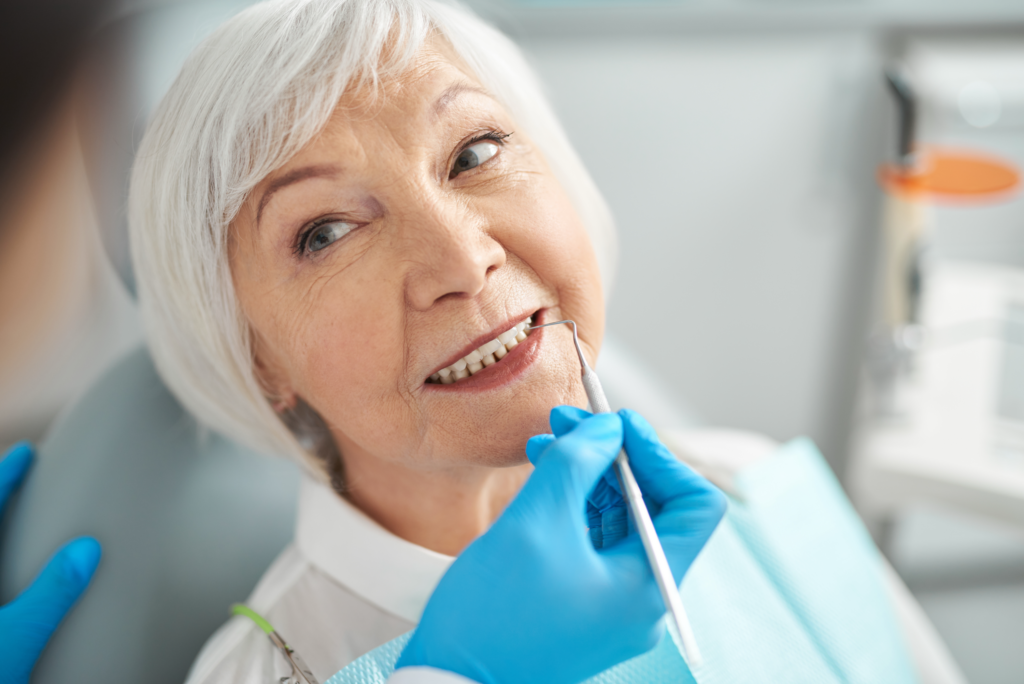
An examination of every tooth, the gums and supporting bone, your bite, the jaw joints, and the soft tissues of the mouth and throat. Imaging is reviewed alongside the clinical findings. The point is to catch problems while they are small enough to treat simply.

Yes, at every comprehensive exam. The screening examines the tongue, floor of the mouth, cheeks, palate, and throat for tissue changes. Oral cancer is highly treatable when found early, which is the entire reason it is part of a routine visit rather than a separate appointment.

A routine cleaning (prophylaxis) removes plaque and tartar from the tooth surfaces above and just below the gumline, and is for patients whose gums are healthy. A deep cleaning (scaling and root planing) goes beneath the gumline to remove deposits from the root surfaces, and is treatment for active gum disease rather than maintenance. Which one you need is determined by measuring the gum pockets, not by preference.

It depends on your decay risk, gum health, and history. Some patients need images once a year, others less often. X-rays are taken when there is a clinical reason to take them, not on a fixed schedule.

Yes. The office uses digital sensors, which deliver roughly 90% less radiation than traditional film. Images are also only taken when clinically indicated.

Most dental PPO plans cover preventive care such as exams, cleanings, and X-rays at 80 to 100%. Coverage depends on your specific plan, and we verify your benefits before your visit. You receive a written estimate before any treatment beyond preventive care begins.

Many do. Adults with a history of decay, gum recession that has exposed root surfaces, dry mouth from medication, or orthodontic appliances all benefit from fluoride. It is a short application at the end of a cleaning appointment.

Some medical procedures, including cardiac surgery, joint replacement, and organ transplant, require confirmation that there is no active dental infection beforehand. We examine and image the mouth, treat anything that needs treating, and send documentation to your physician or surgeon. Call the office and let us know the deadline you are working with so we can schedule accordingly.

Schedule an Appointment

You can also call or text (301) 301-3148 to schedule.
New patients: please allow 60 to 90 minutes for your first visit.

Practice Hours: